Laser and LED sources for rail inspection.
Bright, uniform laser lines are at the heart of modern rail inspection, helping vision systems find defects and wear in tracks, wheels, overhead lines and pantographs quickly and efficiently. Exaktera supplies the laser modules and LED lighting that train-mounted and trackside inspection systems depend on, so operators can move from reactive repairs to planned maintenance.
Inspecting critical infrastructure without disrupting service.
- The condition of rails and tunnels is difficult to assess.
- Maintenance budgets are restricted.
- Preventive maintenance is needed to avoid failures.
- Weather, vibration and ambient light affect inspection.
- New technology has to integrate with existing systems.
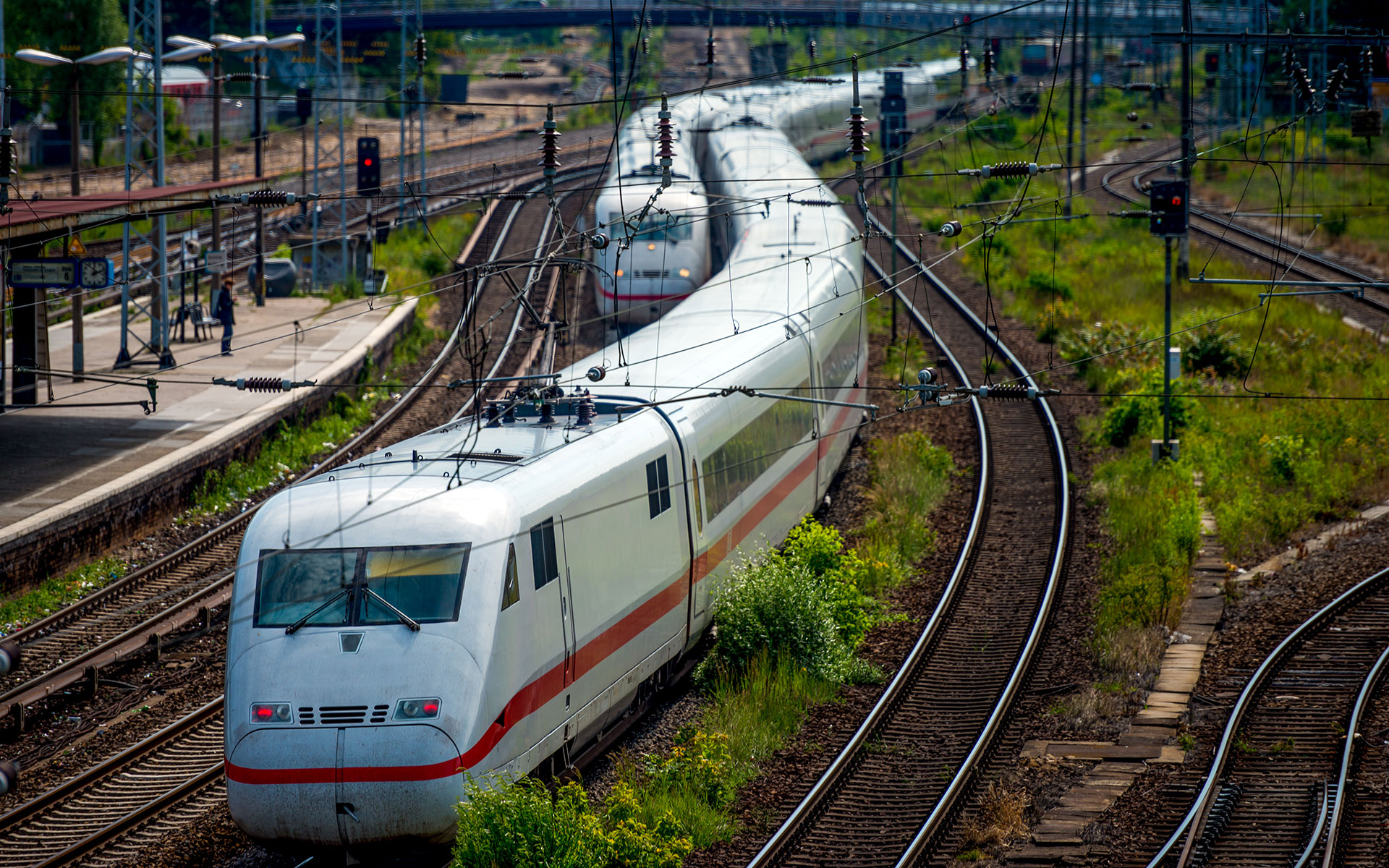
Laser lines that reveal defects.
3D measurement is a crucial part of rail inspection. Uniform laser lines are projected from a running train onto tracks, overhead lines and pantographs, or onto wheels as they pass a trackside measurement system. Cameras and vision software detect any deformation in the laser line, which identifies defects and wear.
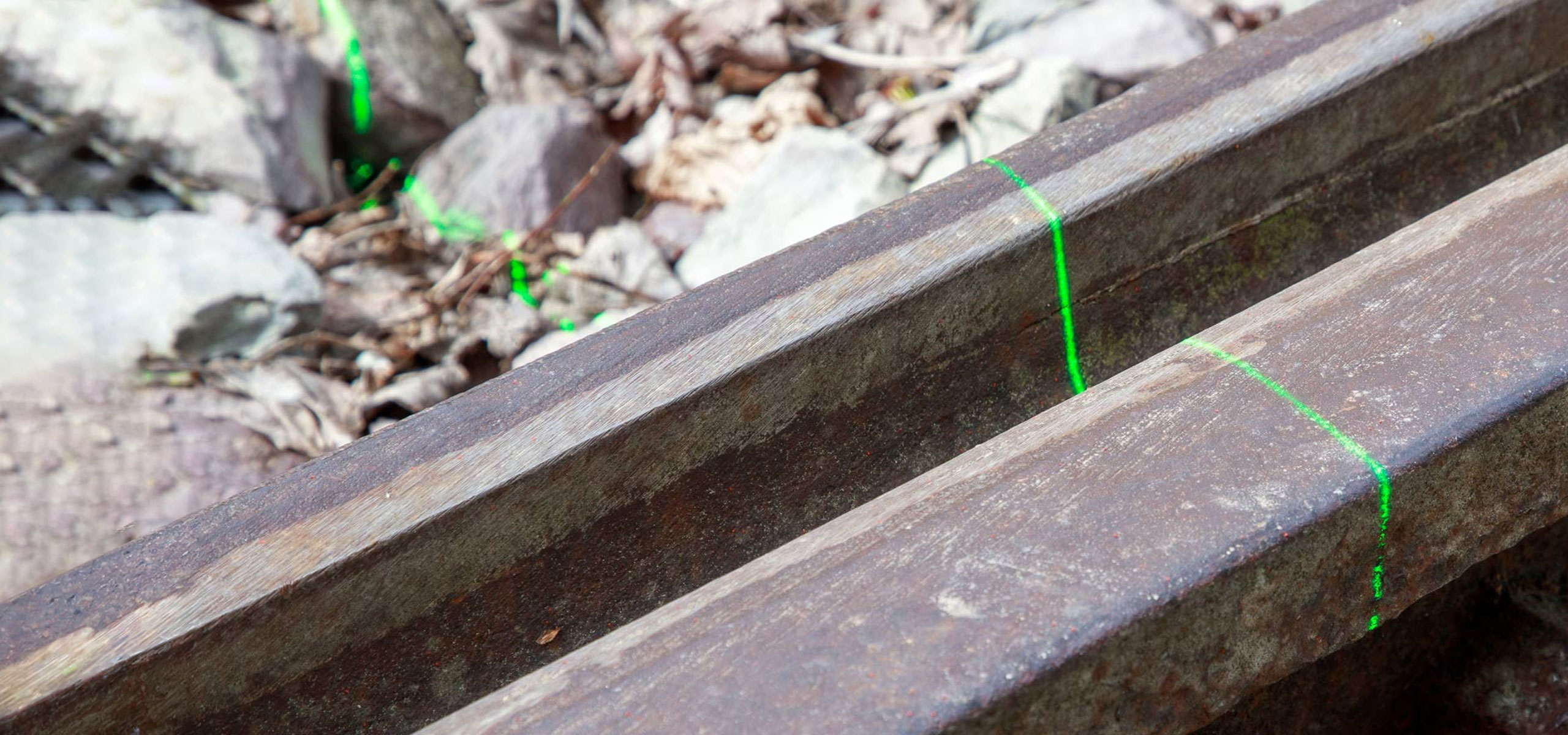
Track geometry and rail wear from a moving train.
Most track integrity issues relate to track geometry or gauge distortion, with the rest due to misalignment or buckled track. Laser-based 3D inspection gives real-time feedback, so maintenance can be planned before problems develop. High-power red or infrared lasers are typically used, producing high-resolution images that reveal even small issues. Fast, precise detection of rail wear and geometry replaces time-consuming manual methods and helps avoid costly service interruptions.
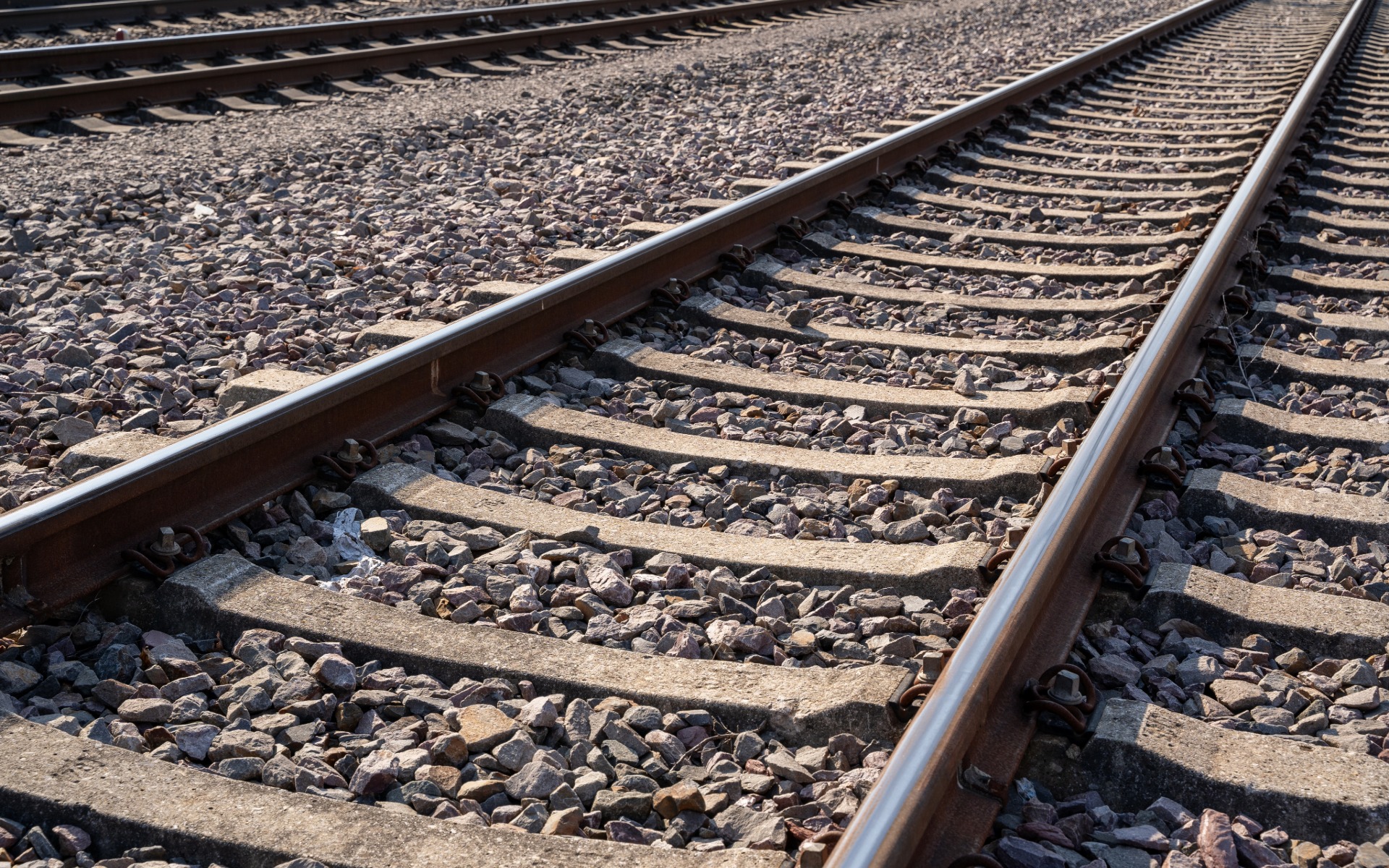
Wheel geometry at normal running speed.
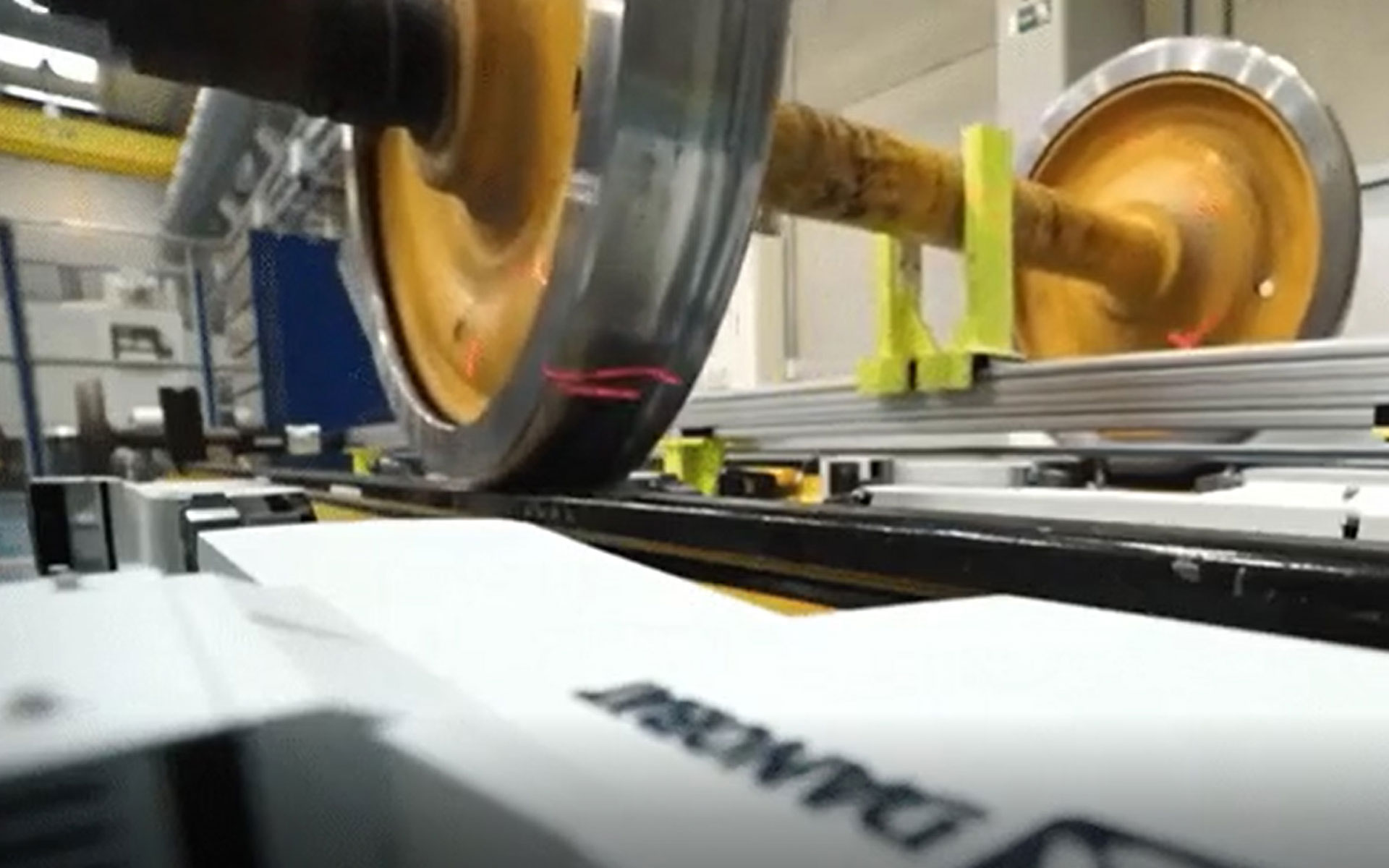
The interface between wheel and rail is one of the most important factors in the safety and comfort of rolling stock. Laser-based systems measure wheel geometry parameters including flange height and thickness, wheel diameter, flange slope or qR factor, roll wear and wheelset back-to-back distance.
Depot inspection stations that measure wheels at low speed are being replaced by trackside systems that collect data on trains passing at normal running speeds of up to 150 km/h. Exaktera digital laser modules suit these systems: integrated thermal management keeps output stable in high ambient light and temperature, and the digital interface allows control and monitoring from a remote location.
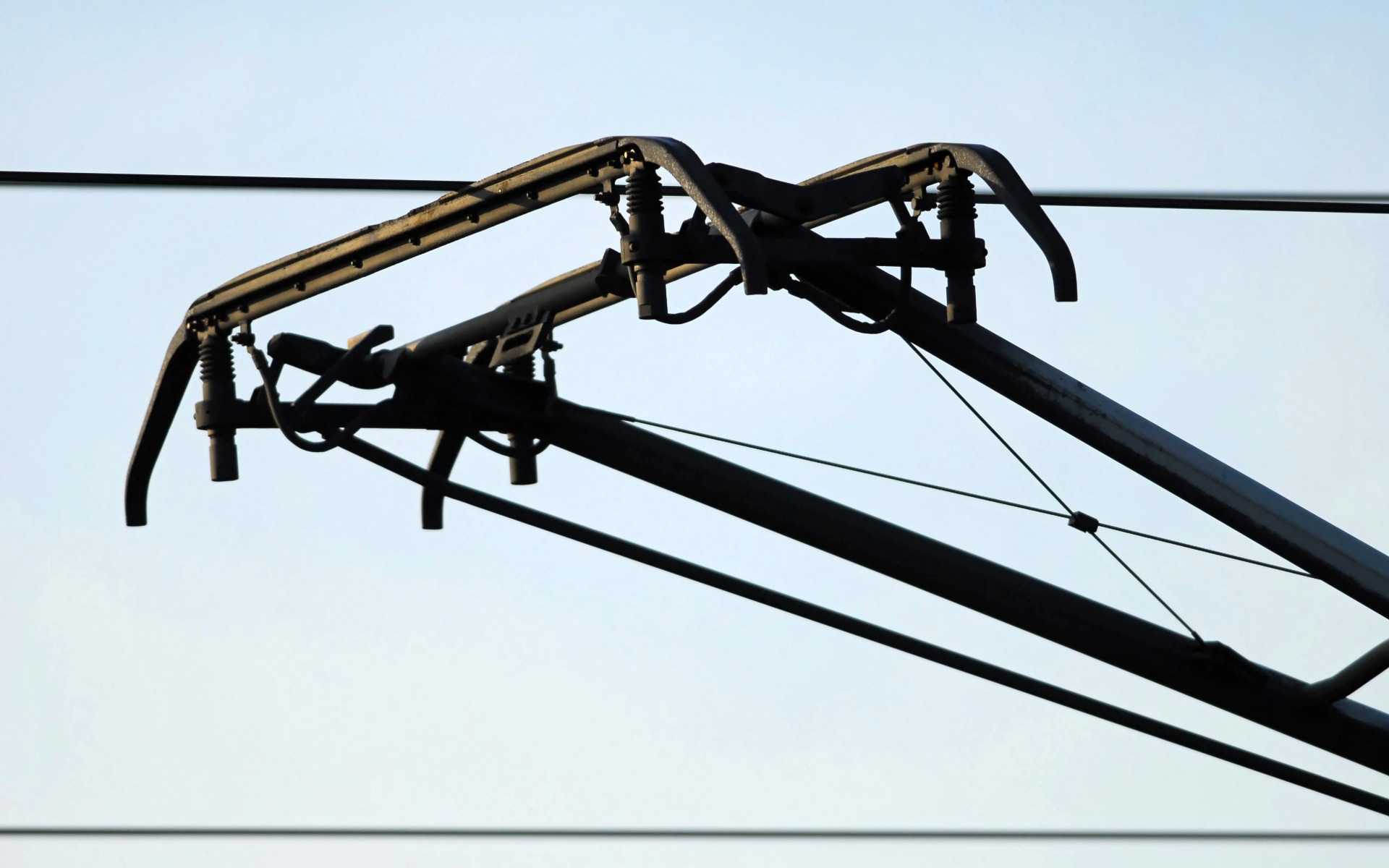
Height, stagger and wear of the contact system.
Non-contact laser-based systems detect and measure the height, stagger and wear of overhead lines, giving early warning of potential failure. Pantographs are inspected in service as trains pass an inspection point at speed, checking shape, integrity, geometry, the presence of horns and wear. Exaktera LED line lights provide bright, uniform illumination for pantograph imaging.
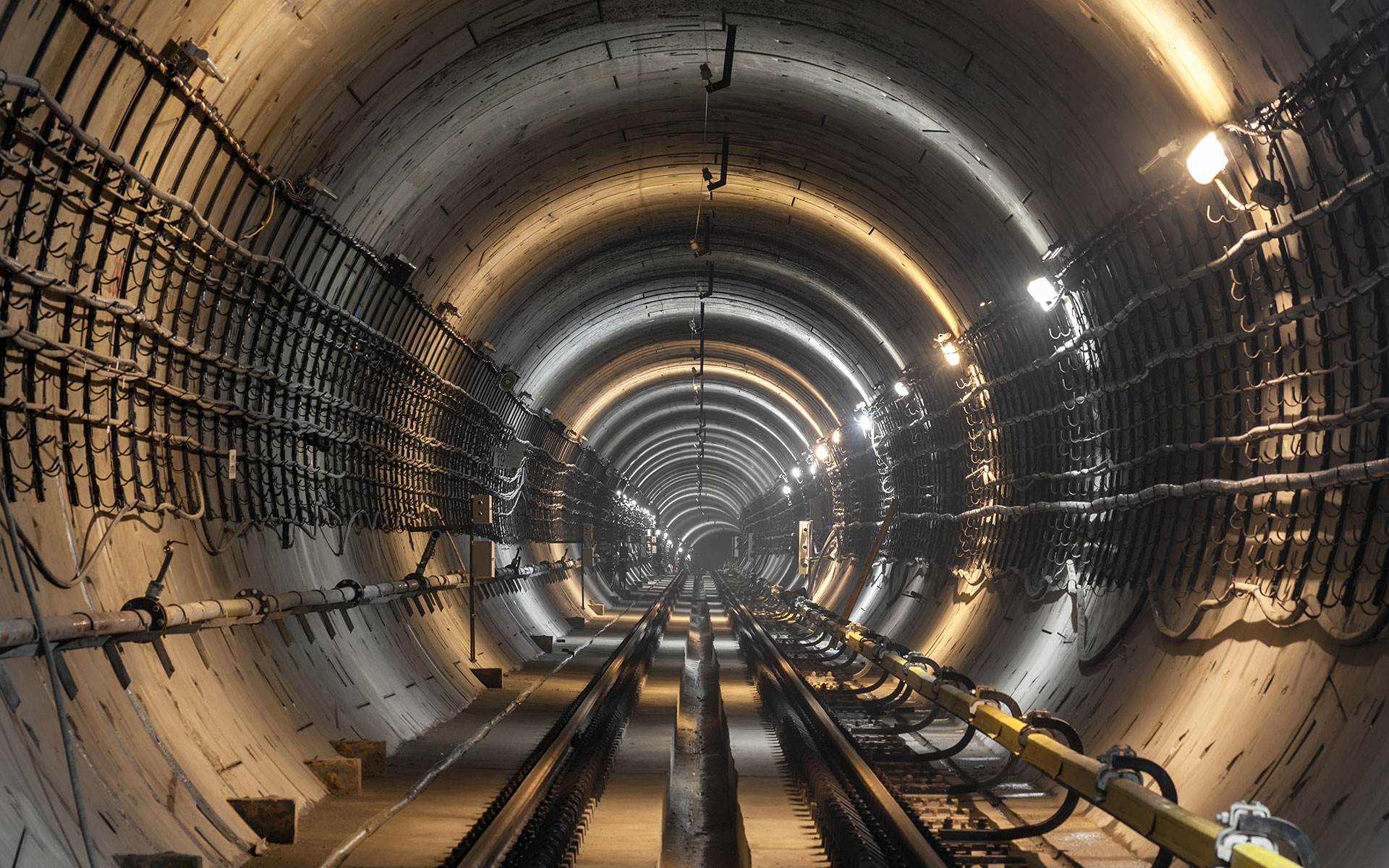
Laser scanning instead of manual tunnel inspection.
Conventional tunnel inspection means stopping traffic and sending people up on lift vehicles to inspect surfaces visually, often in dust, darkness and other hazardous conditions. Laser scanning combined with image processing checks clearance profiles, wall cracks, leaks, obstructions and the integrity of electrical services, and can create detailed 3D models of the tunnel. This helps reduce costly closures and improves maintenance planning.
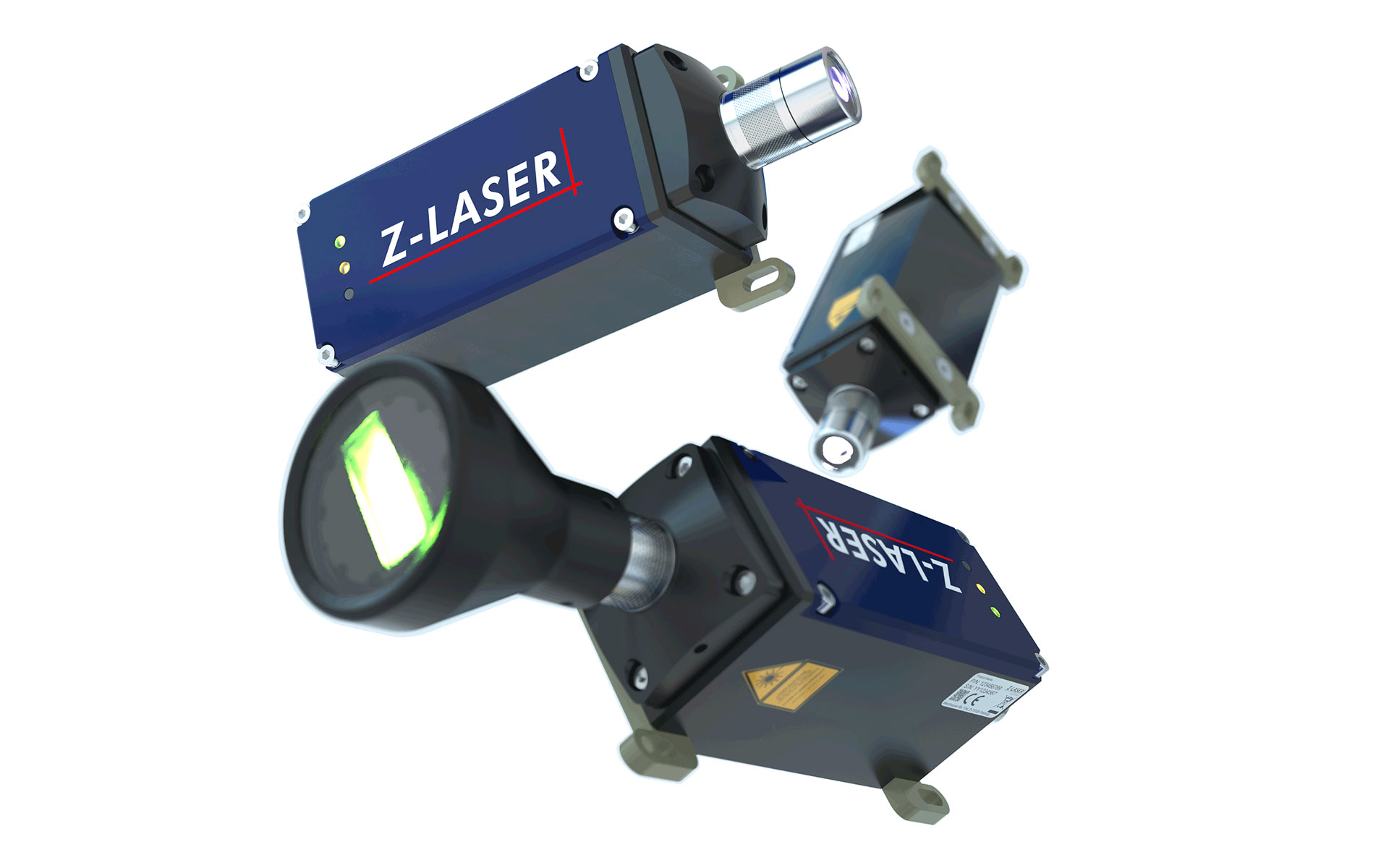
The right laser for your inspection system.
Each rail inspection laser is specified for its application. The best wavelength depends on the task and on the responsivity of the camera. More output power gives a brighter line, but has to be balanced against thermal management, form factor and laser safety. Line thickness and uniformity largely determine accuracy: narrower lines detect smaller defects, and bright spots in the line must be avoided. Reliability is essential for repeatable results.
Our application engineers work with rail inspection system builders, rolling stock manufacturers and infrastructure operators on laser and LED sources for track, wheel, overhead line and tunnel inspection. Tell us about the application and the operating environment.